


This crypto update pulls together the latest from U.S. policymakers, major token ecosystems, Asian governments, and European law enforcement, because staying informed has never been more valuable.
Come join us as we go deep into the crypto space and provide you with all the information you would need regarding digital assets. There is a lot of information provided here, not only for newcomers but also for experienced traders, as we highlight what really matters in the crypto world.
Update One: CFTC Refuses to Hit a Pause
Let us start from the regulation that the Commodity Futures Trading Commission (CFTC) is not ready to stop. During the latest hearings held by the House Agriculture Committee, the CFTC Chairman Michael Selig clearly stated that the regulatory body would continue its efforts despite having only one commissioner at the moment.
Normally, the CFTC relies on a bipartisan panel of five, but Selig emphasized that investor protections, consumer safeguards, and market integrity simply can’t wait. When asked by Ranking Member Angie Craig to commit to holding off on final rules, he responded thoughtfully: the American people deserve steady progress, and he intends to deliver on the responsibilities given to him by the president.
This stance has drawn scrutiny from lawmakers concerned about unilateral decisions on digital assets and prediction markets. However, in the context of the cryptocurrency upgrade, it should be pointed out that there is one major benefit to having clear guidelines since it could instill some level of certainty in the sector that is heavily driven by innovation.
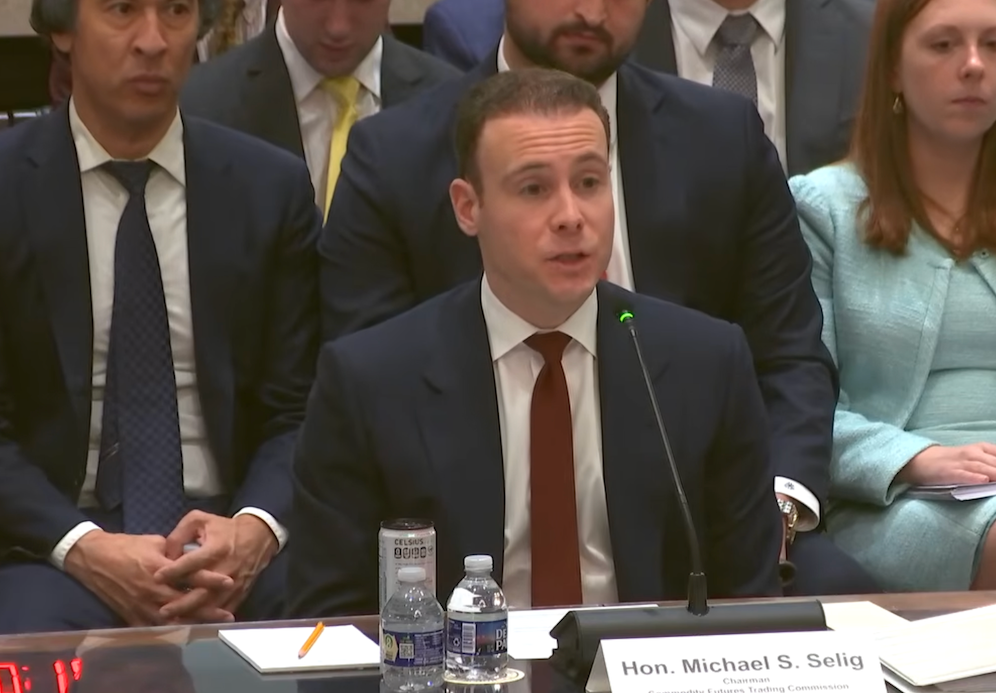
Selig has led as sole commissioner since December, and as of the hearing, President Trump had not yet announced new nominations. For the crypto sector in general, it could mean that there will finally be some sort of clarity when it comes to issues such as derivatives associated with cryptocurrencies or even event contracts.
Crypto Update Two: Binance Burns $1.32 Billion in BNB within One Day
Moving on to another very noticeable event taking place on-chain recently, here is a brief update regarding the recent BNB token burn conducted by Binance. The BNB Chain was able to complete its 35th quarterly burn on April 15, 2026, by burning away a total of 1,569,307 BNB.
As at the time of writing this article, that quantity was valued at approximately $1.02 billion. The BNB Foundation shared the details in its official blog, and Binance co-founder CZ quickly amplified the news on X, confirming that 1.569 million BNB were destroyed directly on the BNB Smart Chain.
The burned tokens now sit forever in the publicly verifiable “blackhole” address 0x000000000000000000000000000000000000dEaD on BSC, a wallet from which nothing can ever be withdrawn. Anyone can audit the transaction on BSCScan for full transparency.
As per the latest burn transaction, the current supply of BNB Chain has been reduced to around 134,786,916.53 BNB. A further 40.88 million BNB is still scheduled to be burned through quarterly burns in the coming period.
The significance of this crypto news event lies in the fact that it is the first burn that has been completed on the BNB Smart Chain since the BNB Chain Fusion that occurred not long ago. In BNB Chain Fusion, both the existing Binance Smart Chain and the old Binance Chain were combined to form a unified blockchain platform.
Crypto Update Three: South Korea Advances Tokenized Deposits in Government Payments
While countries experiment with blockchain technology to possibly revolutionize public finance, this latest crypto news comes as good news from South Korea, where the MOEF has identified one pilot project to try out tokenized deposits in paying for regular operating expenses of the government.
Using a new regulatory sandbox centered on distributed ledger technology (DLT), officials aim to handle selected public spending with these digital tools. The full rollout is eyed for the fourth quarter of 2026, starting in Sejong City, with built-in rules around expenditure timing and purpose to ensure controlled, traceable use.
Tokenized deposits are basically digital bank currencies issued and stored on the blockchain or any DLT infrastructure. The significant difference of tokenized deposits from most stablecoins is that they continue to be direct debts of the issuing banks.
As such, these tokenized deposits can serve as a test for a crypto evolution as they will go beyond the realm of subsidies and enter everyday functions of the government. With the help of tokenized deposits, the government will receive an instrument for more effective payments, tracking of expenses, and prevention of any misuse of funds by corrupt officials.
Crypto Update Four: France Puts New Measures In Place to Protect Investors From Crypto Kidnapping
Lastly, it is inevitable to mention the increasing physical security problems faced by crypto enthusiasts. The growing number of so-called “wrench attacks” in France, in which people were threatened and forced to surrender their crypto holdings, has made the authorities act swiftly.
Between January 2026 and April, there have been 41 kidnapping attacks against people holding crypto currencies, resulting in almost one case being registered every two and a half days on average. According to cybersecurity company CertiK, the global number of “wrench attacks” grew by 75% last year, amounting to 72 cases worldwide, including more than 40% in Europe, mostly in France.
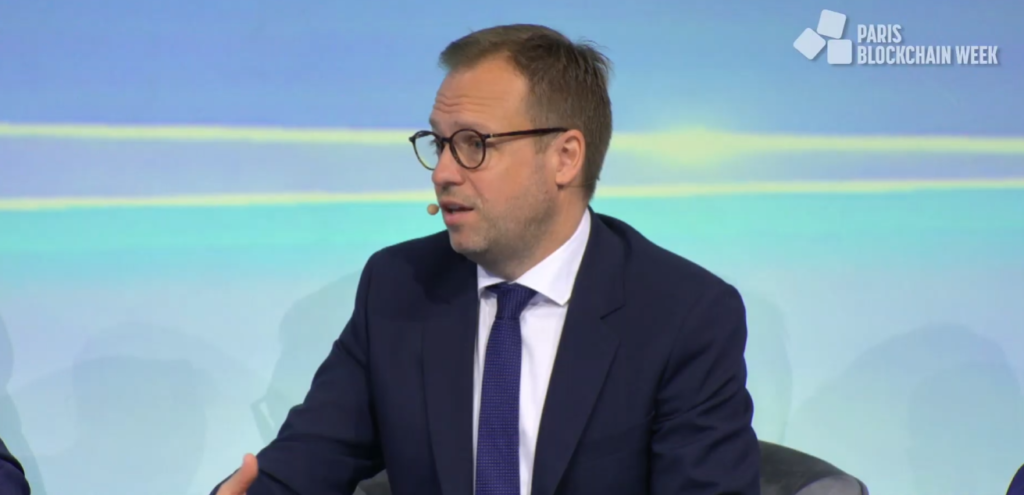
Interior officials are responding decisively. During Paris Blockchain Week, Minister Delegate Jean-Didier Berger announced a new prevention platform that has already enrolled thousands of users, alongside plans for a broader strategy being finalized with Interior Minister Laurent Nuñez.
The authorities are treating these threats seriously and moving quickly to protect investors before the problem escalates further. This crypto update serves as a timely nudge for everyone in the space: strong private security habits, such as using hardware wallets, avoiding public displays of holdings, and staying vigilant in physical settings, remain essential even as digital protections improve.
While you absorb all that has been mentioned above in this crypto update, keep in mind that these may have some impact on your investments or concerns.
The progress made by the CFTC may affect how crypto-related financial products will be distributed; the BNB burn shows the importance of the healthiness of the largest ecosystem; tokenized deposits from South Korea suggest wider institutional involvement; and the laws imposed in France emphasize the importance of comprehensive security.
While you absorb all that has been mentioned above in this crypto update, keep in mind that these may have some impact on your investments or portfolio. The progress made by the CFTC may affect how crypto-related financial products will be distributed; the BNB burn shows the importance of the healthiness of the largest ecosystem; tokenized deposits from South Korea suggest wider institutional involvement; and the laws imposed in France emphasize the importance of comprehensive security.


