

Australia is firing new rules to enable a simple search on Google or Bing while logged in, which could soon trigger a search ID verification demand.
That’s right! New regulations from the eSafety Commissioner are pushing search engines to roll out age checks, and critics are crying foul over what feels like a mandatory search ID for everyday users.
These tough new rules give companies six months to fully implement age assurance tech. We’re talking potential photo ID uploads, facial scans, credit card checks, or even AI estimates to confirm you’re over 18.
The goal apparently is to shield kids from porn, violence, and other nasty stuff by defaulting to super-strict filters for anyone flagged as underage. Search giants have to build reporting tools for violations and scrub unsafe results automatically.
Previously China has imposed similar rules.
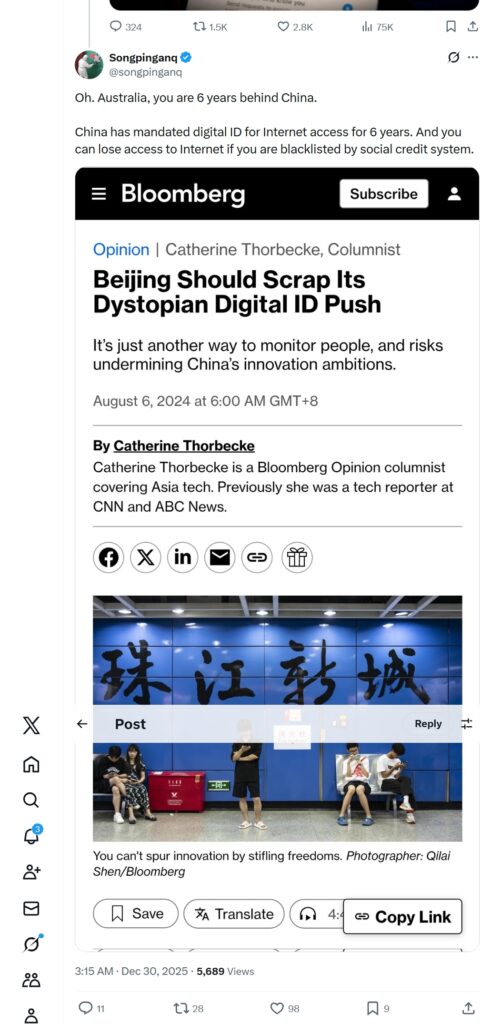
Privacy watchers and free speech advocates aren’t buying the reason behind Search ID
Jason Bassler, co-founder of The Free Thought Project podcast, took to X to show his dismay that Aussies now face uploading IDs just to search the web.
He called Australia a “beta test for a world where freedom and privacy quietly die,” predicting it won’t stop there.
And he’s got a point: this comes right after Australia’s under-16 social media ban, ramping up the pressure on online anonymity.
Europe Eyes Similar Search ID Push, While US Fights Back Hard
Over in Ireland, the government plans to champion EU-wide age verification for social media during its 2026 council presidency.
This essentially means mandatory IDs to post and banning anonymous accounts, all to tackle hate and disinformation.
Deputy PM Simon Harris highlighted enforcing the existing age of consent at 16 and cracking down on bots. A recent case of a woman jailed for threatening messages to Harris underscores the push for accountability.
Meanwhile, the Trump administration is pushing back fiercely against what it sees as foreign overreach. US officials slammed regulators in Europe and beyond for trying to “nullify” the First Amendment by pressuring American platforms.
Undersecretary Sarah Rogers accused them of censoring US voices on American soil. In a stunning move, the State Department slapped visa bans on five EU figures on December 23, blaming them for coercing platforms to suppress viewpoints.
Wyoming’s proposed GRANITE Act would let Americans sue foreign governments imposing censorship rules, similar to Search Id requirements etc, opening the door to massive damages. It’s a direct counterpunch to global efforts targeting free expression and and decentralized finance.