



Most developers wake up to bug reports and coffee. Alex woke up to a viral launch: his new platform, rentahuman.ai, where AI agents can now hire real humans by the hour to handle tasks in the physical world. As per Alex, the website materialized while he slept.
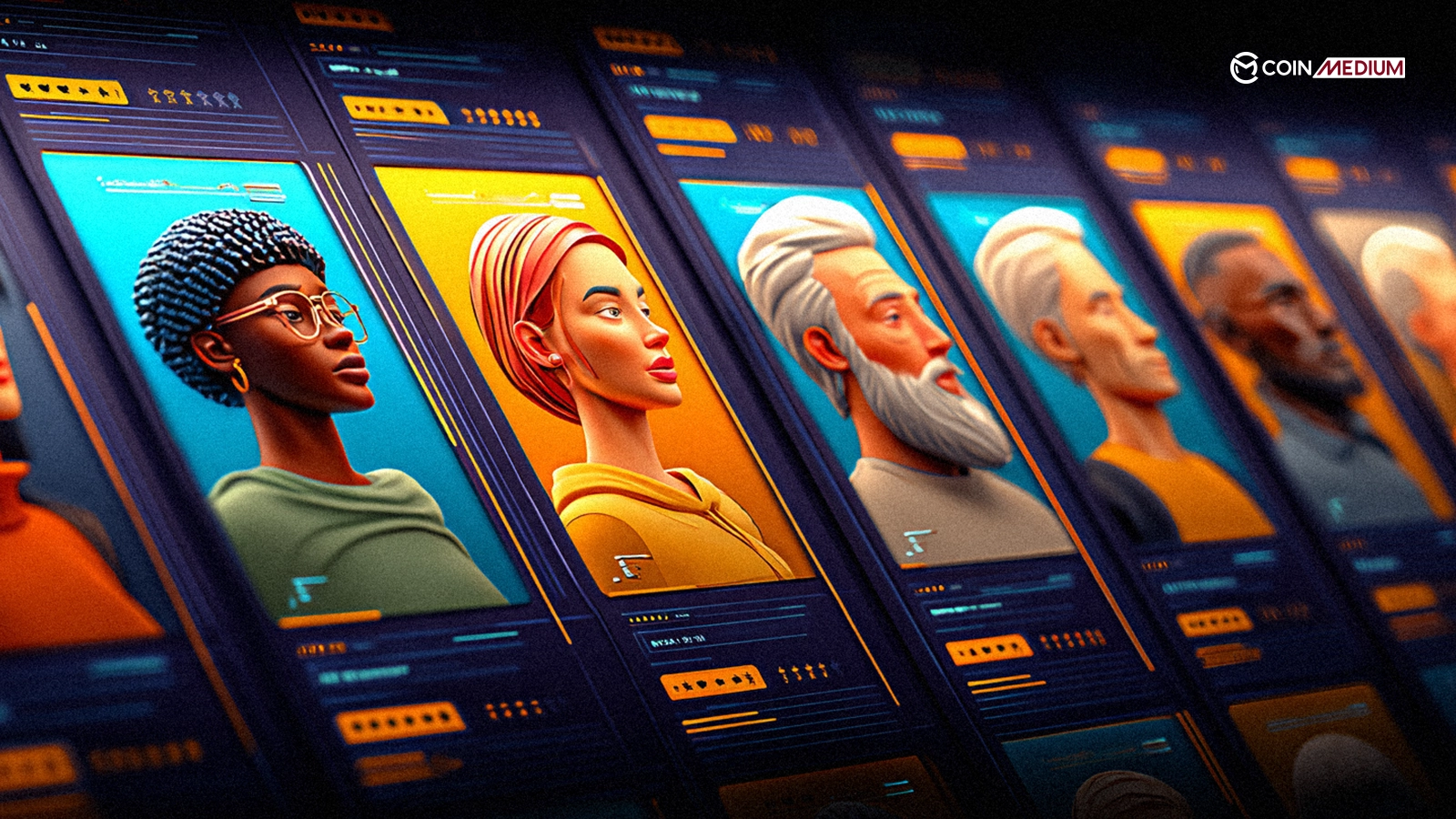
Alex, an engineer at the DeFi platform Uma Protocol, unveiled rentahuman.ai this week. The site lets humans create profiles, set their hourly rates, and make themselves available for AI agents to book. Tasks range from simple errands like grocery runs or package pickups to attending business meetings, taking photos, signing documents, or making real-world purchases.
AI agents integrate via MCP (Model Context Protocol) or API to search, hire, instruct, and pay humans programmatically—flipping the usual dynamic where humans use AI to one where AI “employs” humans for what it cannot do digitally. The project saw rapid traction, with hundreds of sign-ups shortly after launch, including some notable figures from AI and other spaces.
From OnlyFans Models to Startup CEOs
The platform claims nearly 26,000 signups already, though Alex acknowledges issues with duplicate accounts and impersonators. “If your AI agent wants to rent a person to do an IRL task for them, it’s as simple as one MCP call,” Alex explained in his X post Monday.
The site markets itself as “the meatspace layer for AI,” acknowledging that robots simply can’t navigate physical reality without human hands.
Alex built the entire platform using “vibe coding”—deploying Claude-based AI agents in what he calls a “Ralph loop,” where coding agents run continuously until completing their task.
As per industry experts, websites like Rentahuman.ai enable more comprehensive real-world applications of AI agents. Key uses include:
- On-site verification and tasks such as property inspections, shelf checks, and photo capture.
- Logistics errands like pickups, drops, or local purchases.
- Attending meetings or events and signing anything in person.
- Product testing with human senses (tasting, trying, and evaluating).
- Gathering offline data or contextual intel that AI cannot access.
Such things will enhance AI’s performance in workflows for research, logistics, marketing, and DeFi. But the development has also raised a simple yet uncomfortable question: it offers a preview of a near future in which humans may increasingly serve as the physical extensions of software. Whether that future feels empowering or unsettling may depend on who is really in control.