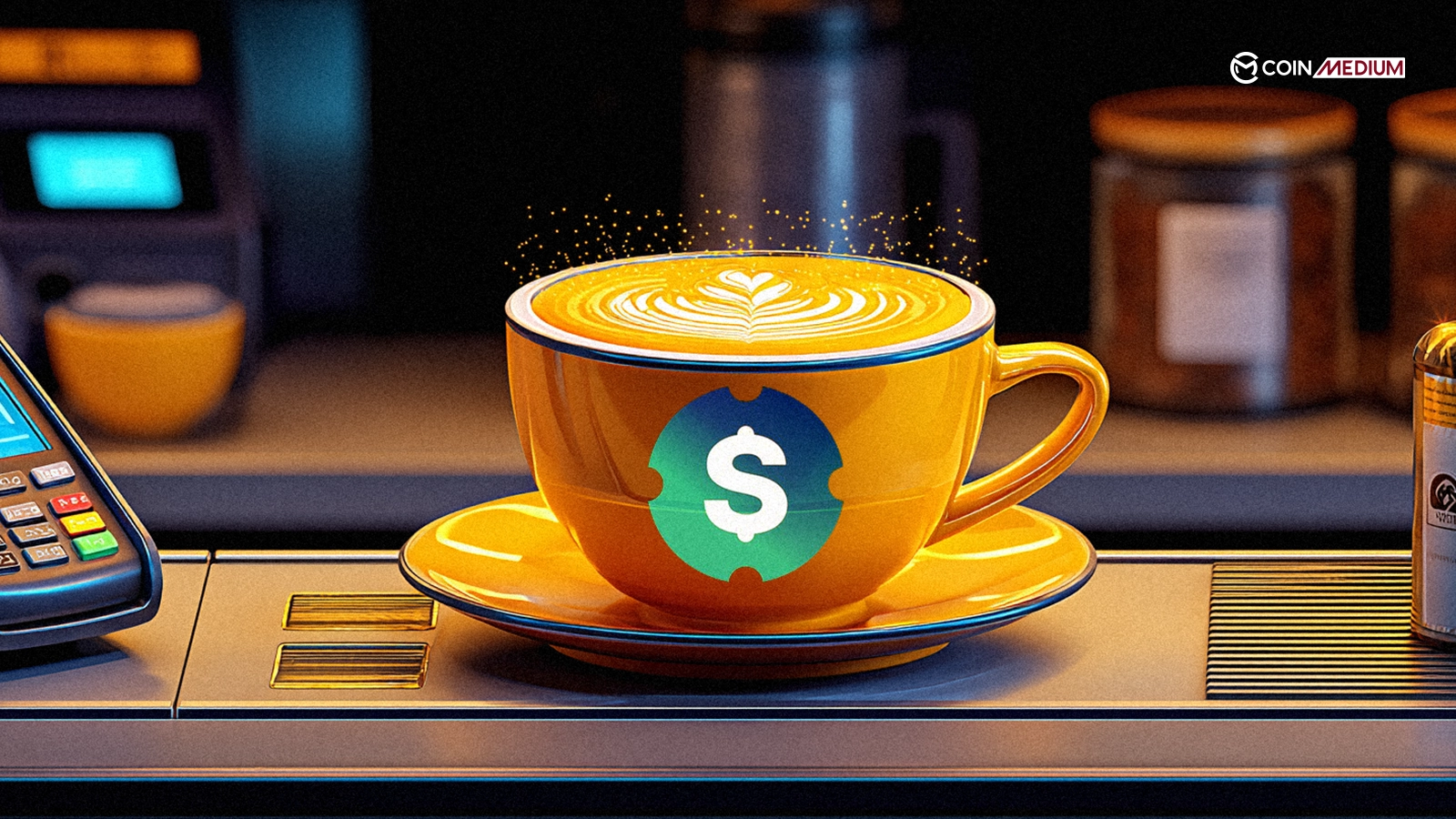


A simple transaction in a Nairobi cafe has proved that a massive shift is on the way for the future of finance in Africa. On February 13, 2026, a customer purchased a cup of coffee using $USDA, the Cardano-native stablecoin. This is the first time $USDA has been used for direct settlement of a purchase involving the M-Pesa wallet.
The transaction, done as part of the Cardano Africa Tech Summit 2026, proves that blockchain is finally ready for the “street level” retail application even in emerging economies of Africa. For years, critics have argued that crypto was too slow or too complex for daily life. Such pilots shatter this thought process.
By combining the Cardano network with M-Pesa—the mobile money system used by nearly every adult in Kenya—the transaction bypassed traditional bank delays and high fees. Anzens, the company behind the $USDA stablecoin, led the initiative. “This is not just about coffee,” said a spokesperson from Anzens. “It’s about showing that a merchant in Nairobi can accept a global digital dollar and have spendable Kenyan shillings in their pocket in seconds.”
The Bridge to “RealFi”
The success of the pilot relies on a “RealFi” (Real World Finance) infrastructure. The technology works in three rapid steps:
- The customer sends $USDA via a Cardano-compatible wallet.
- The backend operations then automatically convert the stablecoin to Kenyan Shillings (KES).
- The funds land instantly in the merchant’s M-Pesa account via an API.
For the merchant, the experience is identical to getting a standard mobile payment. They do not need to manage any private keys or think about the price volatility. They receive their payment in stablecoins, which always have a stable value and can be easily converted into fiat currency.
The development proves that decentralized networks can serve as a high-speed settlement layer for the world’s emerging markets.