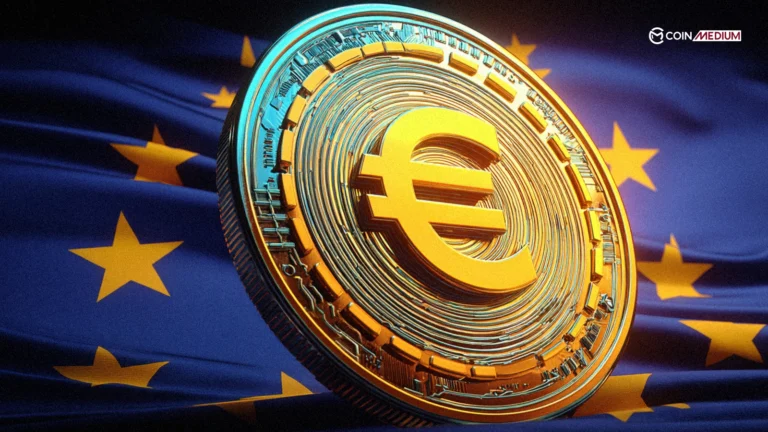

A group of ten European banks is preparing to roll out a euro-backed stablecoin in 2026 through a company approved by the Dutch Central Bank.
In a statement on Tuesday, BNP Paribas said it will work alongside nine other EU banks to introduce the stablecoin in the second half of 2026. The new Amsterdam-based entity, known as Qivalis, will issue the token, which is designed to be fully compliant with the EU’s Markets in Crypto-Assets (MiCA) regulations pending final approval from regulators.
“A native euro stablecoin isn’t just about convenience, it’s about monetary autonomy in the digital age. Presenting new opportunities for European companies and consumers to interact with onchain payments and digital asset markets in their own currency.”
Qivalis CEO Jan-Oliver Sell
EU Stablecoin Push Raises Policy Questions
The transition to a significant euro-backed stablecoin is taking place at the same time when the U.S. is about to introduce its regulatory framework for payment stablecoins. The GENIUS Act, which President Donald Trump signed into law in July, elucidates the oversight rules for stablecoins in the U.S.
While the European banks are on the front foot, Dutch Central Bank Governor Olaf Sleijpen has indicated that the monetary policy could be impacted by the rising stablecoin market. On the other hand, the ECB in its November report admitted that the current risks are limited, nevertheless, the sector’s rapid growth “justifies close monitoring.”
ECB consultant Jürgen Schaafha revealed that the euro-pegged stablecoins had a market price below $407 million at the point of writing, which constituted less than 1% of the global market as of July.