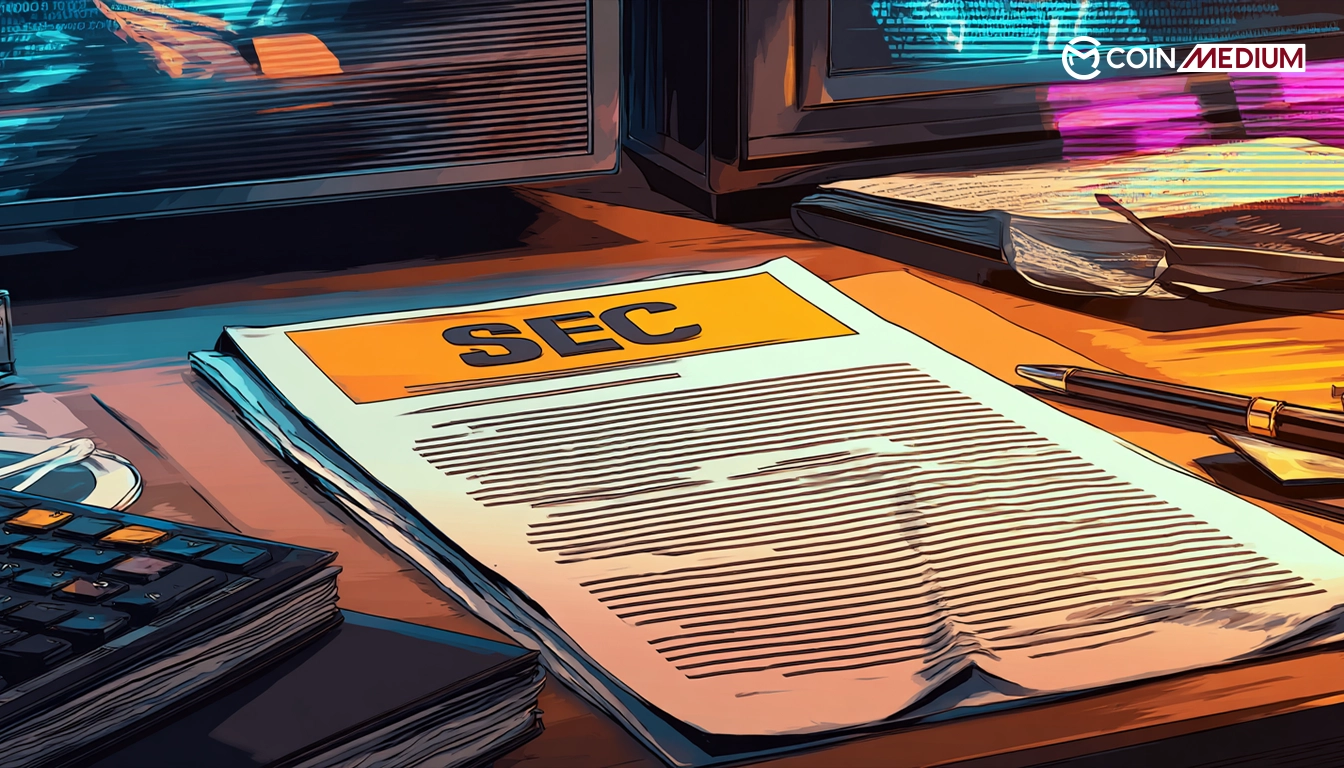



In a spicy twist to the crypto saga, two US lawmakers are putting the Securities and Exchange Commission (SEC) on the hot seat, demanding answers about Tron’s flashy Nasdaq debut and its founder, Justin Sun.
The plot thickened when Senators Jeff Merkley and Representative Sean Casten fired off a letter on Wednesday to SEC Chair Paul Atkins and acting director of the commission’s division of corporation finance, Cicely LaMothe.
Their burning question? Why did the SEC hit pause on its enforcement case against Sun, and what’s the deal with Tron’s public listing?
A Suspicious Timeout
Back in 2023, the SEC slapped Sun with a lawsuit, accusing him of peddling unregistered securities. But, in a surprising turn, the agency requested a stay in the case in February just a month after former SEC Chair Gary Gensler left the scene.
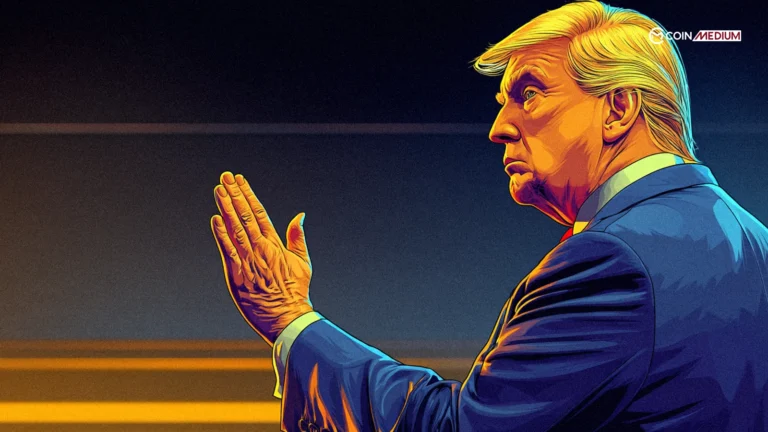
Coincidence? Merkley and Casten aren’t so sure. They’re pointing fingers at Sun’s hefty investments in crypto ventures tied to US President Donald Trump and his family, including World Liberty Financial and the buzzy memecoin, Official Trump.
Could these ties have nudged the SEC to ease up? The lawmakers want to know.
Tron’s Nasdaq Adventure
Adding fuel to the fire, Tron made waves by going public on Nasdaq in July through a reverse merger, a sneaky maneuver that’s raising red flags.
The lawmakers aren’t thrilled, warning that this move could pose “financial and national security risks” due to alleged connections between Sun and the Chinese government. They’re urging the SEC to double-check whether Tron’s IPO meets the strict standards required for US stock exchanges.
Interestingly, the letter doesn’t just zero in on Tron. It’s casting a wider net, hinting that other foreign crypto firms eyeing similar US listings might face tougher scrutiny.
A Changing Crypto Landscape
Meanwhile, the SEC’s been making bold moves under Atkins’ leadership, especially since Trump took office.
Several crypto investigations and enforcement actions have been dropped, signaling a shift in the regulatory winds. But here’s the kicker: the broader framework for regulating digital assets might be in for a major overhaul.
In July, the Republican-led House passed the CLARITY Act, a bill designed to modernize crypto market rules. The Senate Banking Committee is now cooking up its own version, with plans to turn it into law by 2026.
While the details are still hazy, proposed drafts suggest clearer roles for the SEC and the Commodity Futures Trading Commission (CFTC), potentially smoothing the path for crypto companies like Tron to go public.