
In the Philippines, internet providers have started shutting down access to major platforms like Coinbase and Gemini in a crackdown on unlicensed VASPs (Virtual Asset Service Providers).
This move is a measure taken to make sure only approved players can serve local traders in the country.
What do we know about the crackdown so far?
Users woke up this week to find those sites completely off-limits, with tests across major ISPs confirming the blocks are real and widespread. Word is, the National Telecommunications Commission stepped in after the Bangko Sentral ng Pilipinas flagged around 50 platforms operating as unlicensed VASPs in the country.
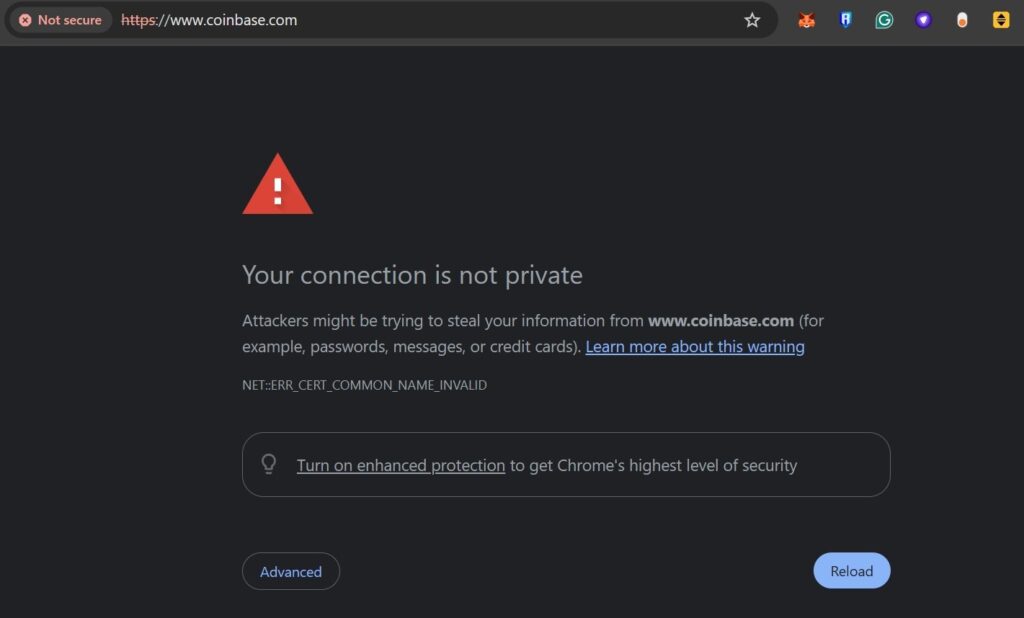
No full list has dropped yet, but it’s clear the days of quiet tolerance are over. Obtaining that local license is now the make-or-break for staying open here.
This isn’t the first rodeo for Philippine authorities going after unlicensed VASPs after all.
Back in late 2023, Binance got a 90-day warning to shape up or ship out, giving users time to pull their funds. Come March 2024, ISPs blocked the site, and soon after, app stores yanked the Binance apps on orders from the Securities and Exchange Commission.
Even then, officials warned they couldn’t help much with stuck funds post-ban.
As of late, the spotlight turned to outfits like OKX, Bybit, and KuCoin, all called out for running as unlicensed VASPs.
Licensed Players Step Up While Unlicensed VASPs Face the Heat
On the flip side, compliant exchanges are thriving amid this crackdown.
PDAX, a fully regulated exchange, teamed up with payroll firm Toku last month to let remote workers cash out salaries in stablecoins, skipping those pesky wire fees and long waits when converting to pesos.
Meanwhile, GoTyme Bank jumped into the game earlier this month with a tie-up to US fintech Alpaca. Now, their app lets users buy and hold 11 different cryptos right alongside regular banking for smooth, secure, and fully above-board transactions.