

Just days after Kenya rolled out its groundbreaking Virtual Assets Service Providers (VASP) Act of 2025, stylish new Bitcoin ATMs have started appearing in the country’s busiest shopping centers.
This has put the regulatory framework to an immediate and dramatic stress test.
Shoppers in Nairobi’s upscale malls were apparently stunned to discover “Bankless Bitcoin” ATMs installed right next to traditional bank kiosks, offering instant cash-to-crypto conversions.
Local outlet Capital News captured the machines in action, highlighting how these Bitcoin ATMs are bringing digital assets into everyday retail life faster than anyone expected.
This isn’t Kenya’s first attempt with Bitcoin ATMs. Back in 2018, BitClub deployed a handful in the capital, but adoption stayed low and the devices never made it into prime mall real estate.
Fast-forward to today, and CoinATMradar still lists only two official Bitcoin ATMs in the entire country, suggesting many of the new installations are flying under the radar.
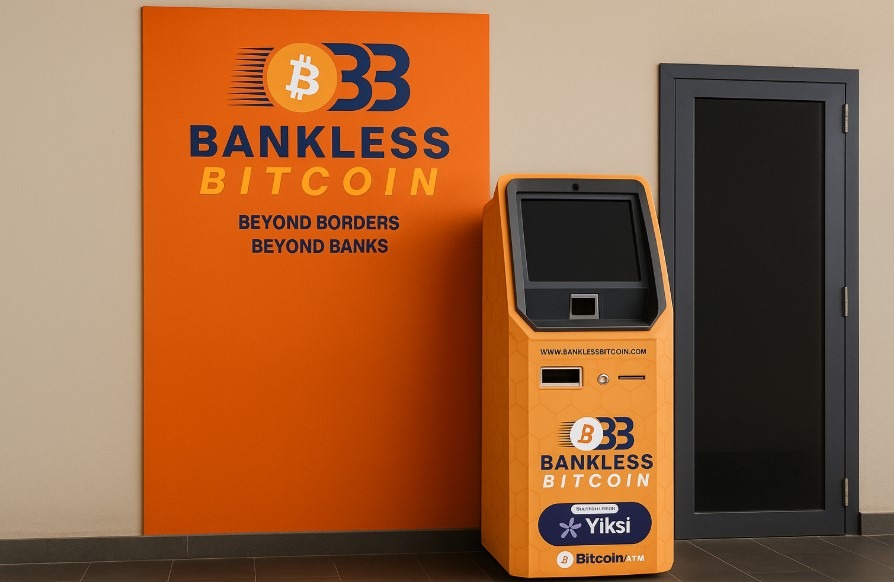
Unlicensed Bitcoin ATMs Invade Nairobi Malls
Authorities Say Bitcoin ATMs are Unlicensed
Kenya’s VASP Act officially took effect on November 4,2025 creating the nation’s first comprehensive licensing system for crypto wallets, exchanges, custodians, and related services.
The Central Bank of Kenya (CBK) now oversees payments and custody, while the Capital Markets Authority (CMA) handles trading and investment activities.
Yet in a stringent joint statement issued Tuesday, both CBK and CMA issued a joint statement that zero crypto firms have been licensed so far.
“Currently, CBK and CMA have not licensed any VASPs under the Act to operate in or from Kenya,” the authorities said.
They warn that any company claiming approval is breaking the law.
Bitcoin Adoption in Kenya is Blooming
Gleaming Bitcoin ATMs are now welcoming customers in high-traffic malls while the government insists every single crypto operator remains unauthorized.
For years, residents of Kibera, one of Nairobi’s toughest neighborhoods have quietly used Bitcoin as an alternative banking system when traditional accounts fell out of reach.
“In many cases, people in Kibera do not have an opportunity to secure their lives with normal savings,” explains AfriBit Africa co-founder Ronnie Mdawida.
“With Bitcoin, they can hold value without documentation and banking paperwork and that’s real financial freedom for someone living on a dollar a day.”
Now, the same technology that empowered the unbanked in the slums is materializing in air-conditioned luxury malls in Africa, showing just how quickly Kenya’s grassroots crypto culture is scaling up regulatory green light or not.