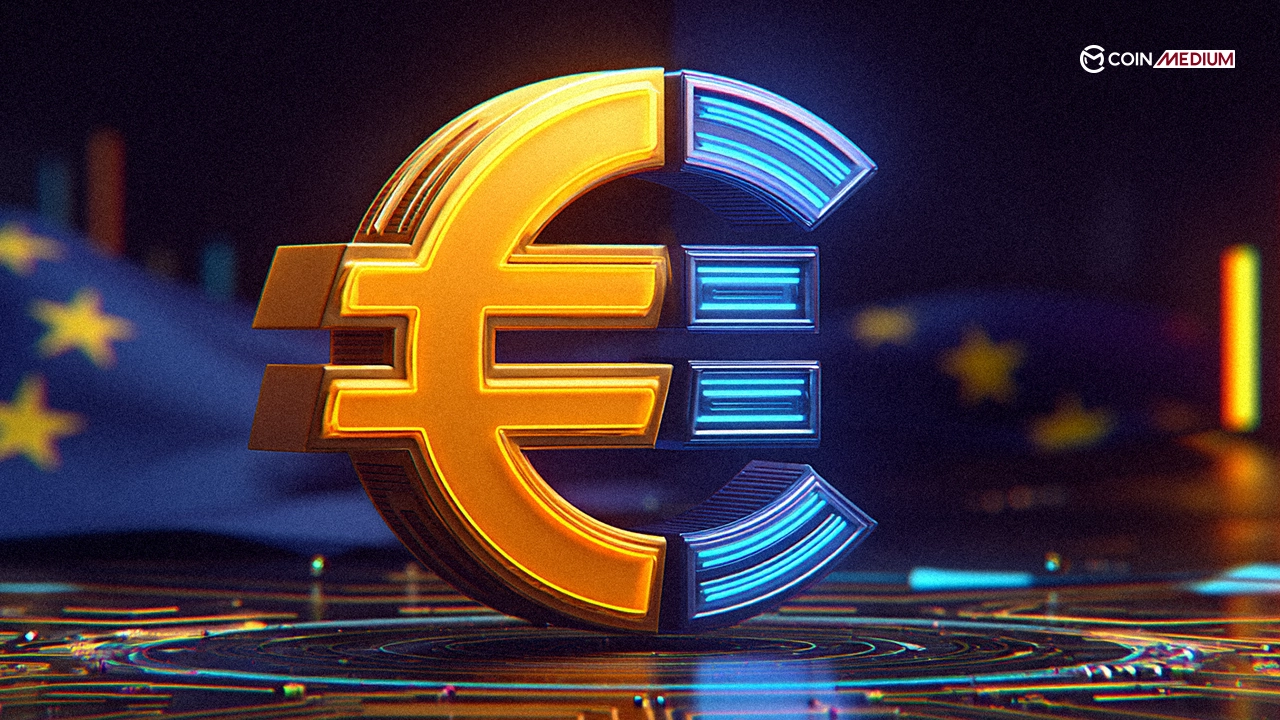




In major news from Brussels, the EU Council just gave the green light for the European Central Bank’s vision for a digital euro.
They are pushing for both online and offline versions to roll out at the same time. It looks like the EU Council is aligning closely with the ECB to make this digital currency a reality that’s flexible and user-friendly.
As ECB President Christine Lagarde put it, the ball is now firmly in the lawmakers’ court.
“It’s up to the EU Council and later the European Parliament to decide if the Commission’s proposal hits the mark and how to turn it into solid legislation or tweak it along the way.”
With the European Council already on board, excitement is building for what could be a game-changer in everyday payments across Europe, even though there is quite some criticism from crypto experts.
Privacy is still a concern for the EU Council
The offline version aims to mimic cash in some ways, letting certified devices swap central-bank-signed tokens for in-person buys via proximity tech like NFC.
But here’s the problem with that: enforcing strict physical closeness isn’t foolproof. Looking at the complex hacks taking place, clever hackers will likely use proxy gadgets to stretch that NFC signal over distances for fraudulent transactions.
In fact, experts from the European Data Protection Board have said that defenses against these tricks are pretty slim.
In their view, the EU Council shouldn’t bank on perfect proximity enforcement, admitting outright that “we will not consider physical proximity as a property of cash that can be reliably enforced in a digital currency.”
Still, privacy remains a top priority for the EU Council. The offline digital euro, along with the private keys to handle it, would tuck away safely in secure chips on approved phones or smart cards.
It’s designed to feel private, though not quite as anonymous as stuffing bills in your pocket.
Nevertheless, those who are pro-digital euro may argue the EU Council is driving Europe’s push toward smarter, more resilient money in a digital world.