
Crypto market structure legislation, also known as the Clarity Act, is facing more delay as the Senate Banking Committee pivots hard to President Trump’s adventurous affordability agenda.
Bloomberg, citing insiders, says the timeline could slip by weeks, possibly pushing action into late February or even March 2026.
All the drama started this week when President Trump signed an executive order slamming the brakes on Wall Street giants taking single-family homes to clear the path for everyday Americans to actually afford a place to live.
This also comes at a time with midterm elections coming up in November and voter frustration over skyrocketing costs hitting a high.
That executive order has lawmakers, including the Banking Committee, which handles part of the Clarity Act, super-focused on turning Trump’s directive into real policy.
That means the long-awaited crypto market structure legislation meant to finally sort out who regulates what between the SEC and CFTC gets bumped down the priority list.
This isn’t the first hiccup, though; both the Banking and Agriculture Committees have already postponed markups to chase bipartisan buy-in.
Adding fuel to the fire, major player Coinbase walked back its support over sticking points on stablecoins and decentralized setups.
Without everyone’s support, getting the crypto market structure legislation across the finish line looks near impossible.
Meanwhile, needless to say, the Republicans are hungry for wins before voters head for elections. Polls and betting markets like Polymarket are showing Democrats with a strong edge around 80% odds for flipping the House, which could harm Trump’s broader plans.
Affordability is topping voter concerns right now, so the administration is doubling down there, even if it means sidelining crypto market structure legislation for a bit.
Republicans urge for urgent action on crypto market structure legislation
White House crypto advisor Patrick Witt urged quick action on the warning that momentum could fade without a deal, although he admitted compromises are inevitable to round up the votes.
Over on the Agriculture Committee side, Chairman John Boozman dropped a Republican-only draft of the bill this week, ahead of a markup set for January 27.
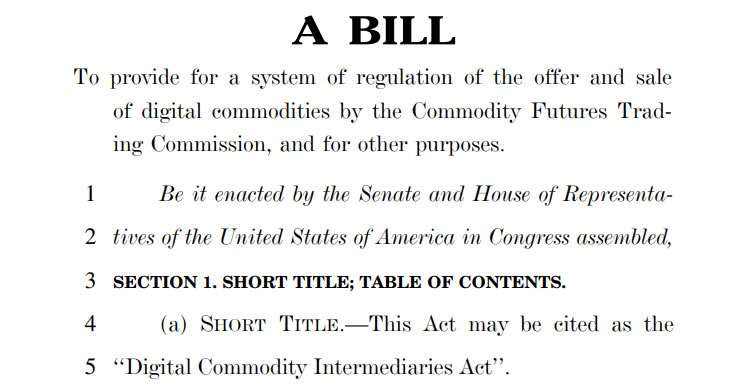
Democrats aren’t on board yet, and Boozman himself noted that big differences linger on core policy questions. Still, he called it a step forward, built on months of talks and stakeholder input.
Crypto attorney James Murphy says the bill carves out a clear path for DeFi to avoid heavy CFTC oversight, shields software developers and certain providers from liability, and skips regulating stablecoin yields (leaving that to banking).
Consensys lawyer Bill Hughes said the bill targets intermediaries and custodial platforms while leaving self-custody wallets, non-custodial DeFi interfaces, protocols, and everyday users alone.
So while the Banking Committee’s version of crypto market structure legislation sits on ice amid the housing push, the Ag Committee’s draft keeps the conversation alive.
Whether these threads come together for a real breakthrough or drag on remains to be seen.