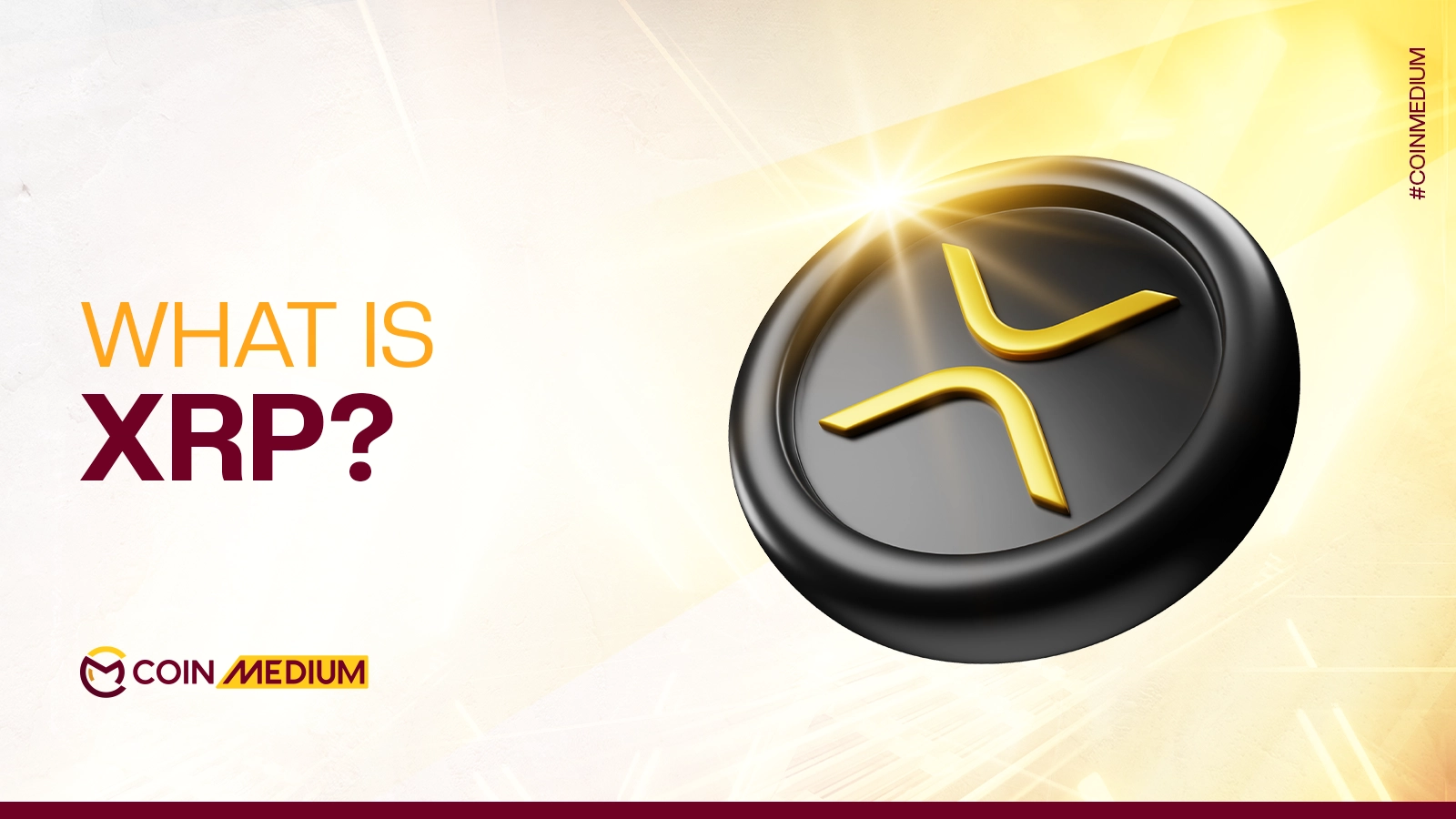


XRP came out in 2012, created by Ripple Labs, and it’s the native currency of the XRP Ledger (often just called XRPL). Even though people often mix the two up, they’re not the same thing. XRP is the actual asset, while XRPL is the blockchain it lives on.
The XRP Ledger is an open-source, public blockchain built from the ground up for one main thing: making cross-border payments fast, cheap, and reliable.
Unlike Bitcoin or Ethereum, which turned into giant do-everything platforms, XRP was designed with the specific mission of fixing how money travels between countries.
In this piece, we’ll break down what Ripple’s native currency really is, how the tech works, where it’s actually used, and why it still gets so much heat from critics.
What Makes the XRP Ledger Tick?
At its heart, XRPL is a distributed network run by a number of independent validators around the world. Instead of mining or staking like most blockchains, it uses a consensus mechanism. In other words, basically, trusted nodes agree on what’s valid. That’s why it’s so quick and doesn’t waste massive amounts of energy.
Transactions usually settle in 3–5 seconds. Compare that to Bitcoin’s 10+ minutes (on a good day) or the several days it can take for a regular international wire transfer.
Fees? We’re talking tiny fractions of a cent. That makes it practical for everything from sending a few bucks overseas to moving millions between banks.
What’s Ripple’s Native Currency Actually For?
XRP’s big job is acting as a bridge currency for cross-border payments. Banks and payment companies can use it to zip value from one fiat currency to another without having to keep piles of money sitting in foreign accounts (which ties up billions in capital). The result is faster settlement, better liquidity, and way less hassle.
Beyond that, Ripple’s native currency powers RippleNet’s On-Demand Liquidity service, which many financial institutions use to handle real-world transfers. It’s also used by remittance companies and payment processors who want to cut costs on international payouts.
And it’s not just payments anymore. It’s the ledger that now supports a built-in decentralized exchange, automated market makers (AMMs), NFTs, custom tokens, and even stablecoins (Ripple’s planning to launch RLUSD in 2025).
Fun Facts About XRP, Ripple’s Native Currency
- Total supply is locked at 100 billion XRP, so no more can ever be created.
- Around 59 billion are circulating right now.
- Ripple Labs helped build it and still holds a large chunk, with scheduled escrow releases.
- The network runs on about 150 validators worldwide. Ripple says it influences roughly a third of them, which is where a lot of the decentralization debate comes from.
- No mining, super low energy use → much greener than proof-of-work coins.
What are the criticisms about XRP?
XRP has always punched above its weight in the payments world and usually sits comfortably in the top 10 cryptocurrencies by market cap. It’s listed on pretty much every major exchange.
But it hasn’t been smooth sailing. The big one everyone remembers is the SEC lawsuit that started in 2020, claiming many XRP sales were unregistered securities. Parts of the case have been resolved (some wins for Ripple), but it still left scars on price action and how regulators view it.
Other common criticisms include that the whole supply was pre-mined and that Ripple controls a huge portion and releases tokens. People also question how decentralized the validator network really is.
Why do people still choose Ripple’s native currency, XRP?
Speed is the killer feature of XRP. XRP network can handle thousands of transactions per second, far exceeding Bitcoin’s 3-7 and Ethereum’s 15-30.
Plus, it’s deeply tied into RippleNet, which gives institutions a ready-made infrastructure for cross-border settlement, liquidity, and even tokenization.
Concluding thoughts about Ripple’s Native Currency
Ripple’s native currency is a digital asset built specifically to move money across borders quickly and cheaply. It lives on the XRP Ledger and has always been more about practical finance than moon-landing memes or DeFi experimentation.
It’s got a loyal following called the XRP Army, who care about real-world payments, and it’s earned a spot in institutional conversations. At the same time, the centralization concerns, massive pre-mined supply, and regulatory baggage keep the debate alive and probably always will.
Love it or hate it, Ripple’s native currency run by Chris Larsen remains one of the few cryptocurrencies that actually gets used for what it was designed to do. Whether that’s enough to make it a long-term winner in global finance… well, that’s still very much an open question that runs into 2026 as well.