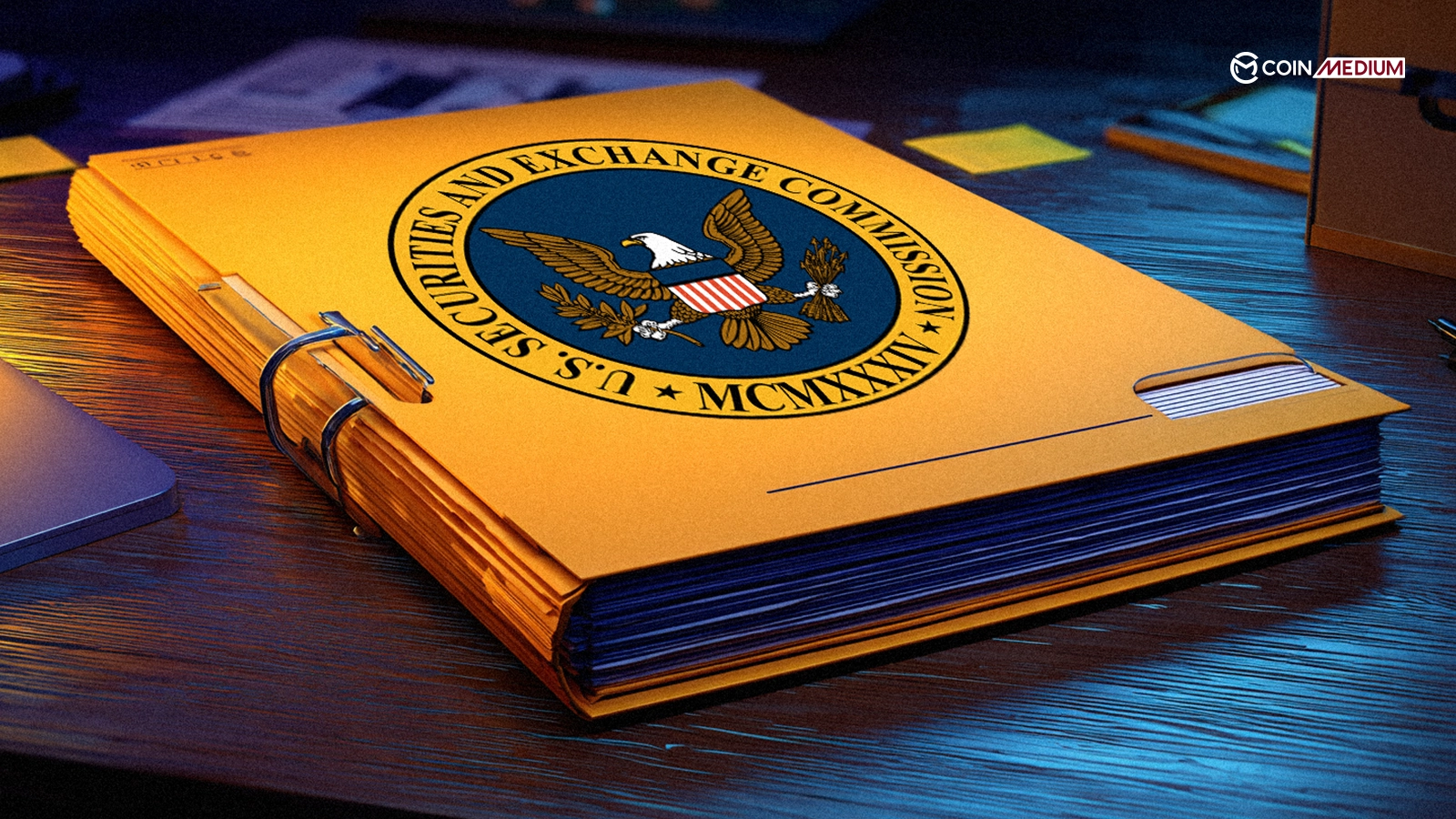



After years of regulatory uncertainty, companies tokenizing securities finally know where they stand. The U.S. Securities and Exchange Commission released comprehensive guidance on Wednesday that splits tokenized securities into two distinct camps: those created by the original issuers themselves and those minted by third parties looking to wrap existing securities in blockchain packaging. The move marks Washington’s most detailed attempt yet to regulate the estimated $2 billion tokenized securities market without stifling innovation.
Issuers Get Two Paths Forward
Companies that want to turn their stocks, bonds, or other investments into digital “tokens” on a blockchain have a couple of main ways to do it:
- They can put the blockchain technology right into their official ownership records (so the blockchain becomes the main system that tracks who owns what).
- Or they can create digital tokens on a blockchain, and those tokens automatically update the old-school paper/traditional records kept separately.
The regulator stressed that federal securities regulations apply the same way whether ownership gets tracked through conventional databases or distributed ledgers. Changing the format does not create legal loopholes.
Third-Party Tokenization Faces Tougher Scrutiny
Outside companies (ones not connected to the original company issuing the stock or bond) can also create digital tokenized versions of those securities. According to the SEC, these setups are either custodial or synthetic models.
- Custodial model: In this, an outside company buys and safely holds the real shares or bonds and then they issue digital tokens to people, where each token acts like a “claim ticket” showing that an investor owns a piece of what is being held.
- Synthetic model: In this, an external company creates a new digital token that mirrors the price and performance of the original asset. But the holder does not get real ownership—no voting rights in the company, and no dividends.
The big point the SEC is making is clear: Blockchain is basically just a modern way to keep records of who owns what, but it is not a magic wand that changes the rules.
Companies (or anyone) can use blockchain to make things more efficient, transparent, or faster. But if something is a security, the same old U.S. investor protection laws will still apply. Those laws, related to registering properly, being honest in disclosures, preventing fraud, and protecting buyers, do not vanish because blockchain is being used.
In simple words: The tech can change how records are kept (on a blockchain instead of old paper ledgers or databases), but it doesn’t let anyone skip the rules designed to keep everyday investors safe. The SEC is saying, “Use blockchain if you want—great!—but follow the securities laws like always. No exceptions.” This keeps things fair and protects people from hidden risks or confusion.