
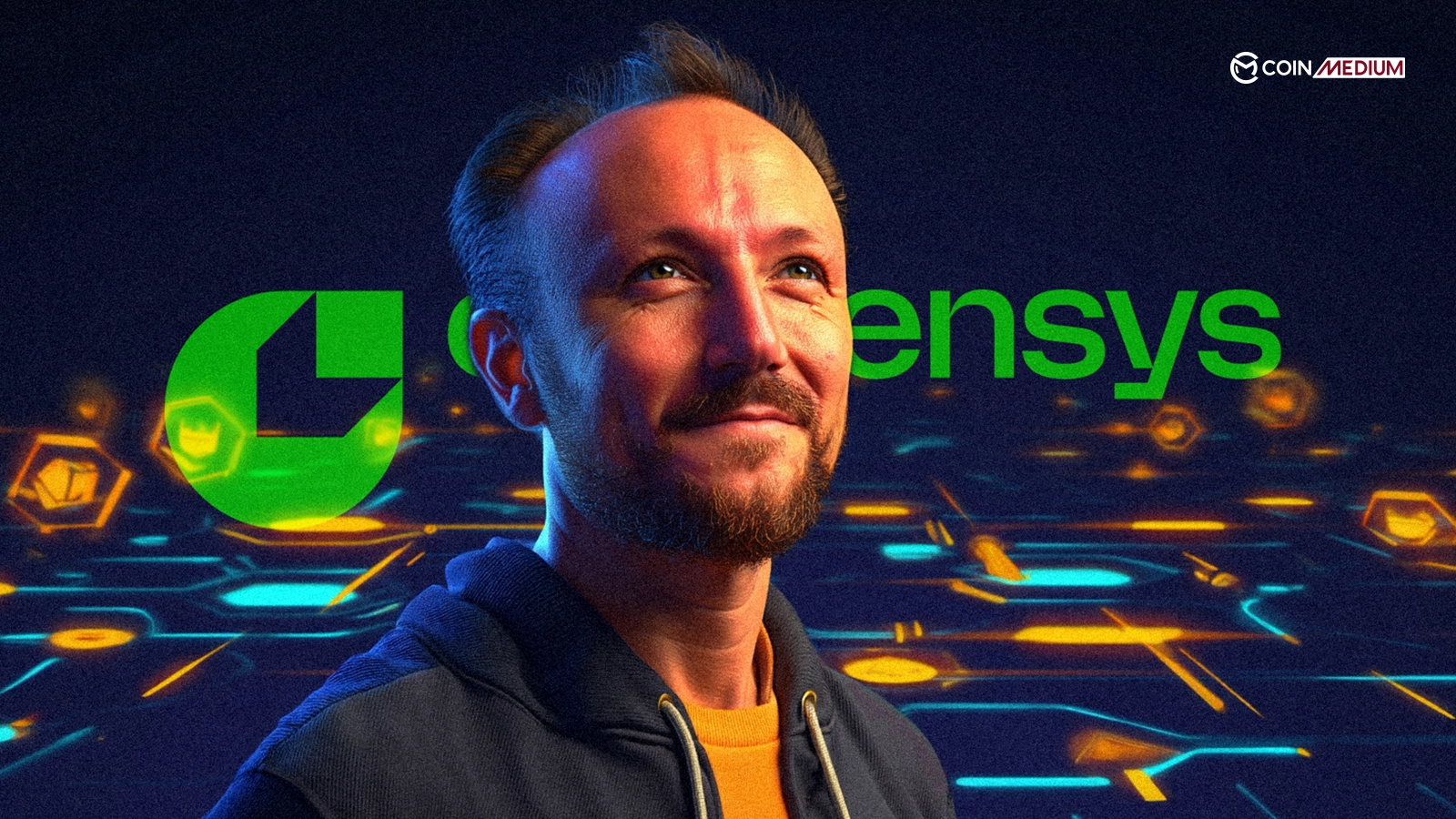


Dan Finlay, the co-founder and a primary architect of MetaMask, announced his departure from Consensys on Wednesday, April 22, 2026. Finlay, who worked for the company for ten years, decided to leave after he experienced professional burnout because he wanted to spend time with his family.
Finlay, who established the Ethereum-based wallet in 2016, departs from the project which developed from its initial browser extension to become a multi-chain platform used by millions to access Bitcoin Tron and EVM-compatible networks.
MetaMask under Finlay’s guidance expanded its functions beyond basic asset management to include tokenized stocks and prediction markets and a Mastercard-backed payment card. Finlay expressed his belief that the team will achieve great success through their future path and he looks forward to experiencing the upcoming platform developments as a regular user.
Advanced Permissions: ERC-7715 Set to Transform Recurring Payments
The final technical work from Finlay shows that he introduced Advanced Permissions (ERC-7715) which he considers vital for improving Web3 user experience. The new standard enables decentralized applications (dApps) to request particular permissions which allow them to perform transactions on behalf of users.
The “scoped” access permission system lets users establish daily spending limits and specific time limits which eliminate the need for users to approve each transaction because “approval fatigue” will no longer exist. The Tornado Cash update received positive feedback from industry experts because Roman Storm who co-founded the project described it as “extremely important” for market development.
The feature delivers traditional financial system advantages to cryptocurrency users because it supports automatic recurring payments and automatic DeFi strategy compounding and uninterrupted on-chain gaming without requiring wallet authentication. A user can authorize a dApp to purchase $10 worth of ETH each day for thirty days through one signature which protects their main wallet while the app functions within established limits.


