

In the world of cryptocurrency, people often use the words “coin” and “token” interchangeably, but they actually mean two different things. Think of it like renting an apartment in a big building (the blockchain) rather than owning the whole house or a car and its passenger.
A coin is a type of cryptocurrency, existing on its own distinct blockchain. Bitcoin (BTC) and Ethereum (ETH) are common examples of coins in crypto. These assets serve as the “native” currency within their respective digital networks. They are the car, and they own the road they drive on.
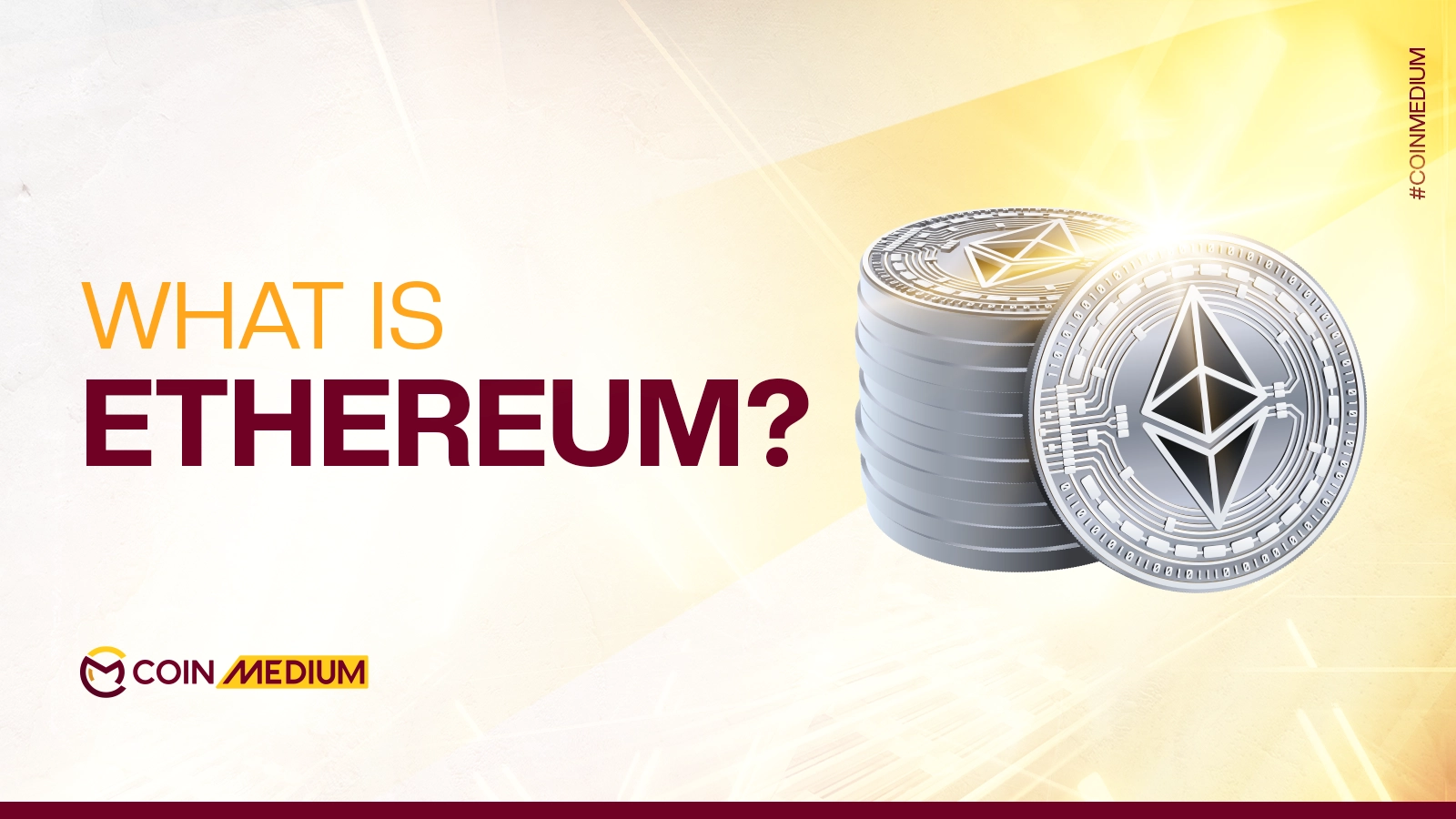
A token, on the other hand, does not have its own blockchain. Instead, it “hitches a ride” on an existing one. Tokens are created using smart contracts, little self-running programs, so anyone with basic coding skills can make one in minutes. For example, thousands of tokens are built on top of the Ethereum network. Think of tokens as passengers hitching a ride. They don’t own the car or maintain the pavement. They simply rely on an existing blockchain or “road” to get where they’re going.
It’s easy to see why people mix them up. On the surface, coins and tokens look identical—you buy them on the same apps, store them in the same wallets, and watch their prices jump around based on the latest hype. But once you look under the hood, you’ll see that tokens come in several different “flavors” depending on what they actually do:
Utility Tokens: Imagine these as arcade tokens or carnival tickets. You aren’t necessarily buying them to get rich; you’re buying them because you need them to use a specific app or service.
Governance Tokens: These act like digital voting chips. Holding them gives you a seat at the table, allowing you to vote on the future rules and direction of a crypto project.
Stablecoins: These are the “safe harbor” tokens. They are pegged to real-world money, like the US Dollar, so you can move your funds around without worrying about the price crashing overnight.
NFTs (Non-Fungible Tokens): These are one-of-a-kind digital receipts. They prove you own a specific item, like a piece of digital art or a rare music track, that can’t be swapped for something else.
One thing every beginner should keep in mind: tokens aren’t always meant to be investments. Also, because they are “passengers,” they can’t move themselves. Thousands of tokens get created every week, and many turn out to be scams or rug pulls. So always do your own research and stay safe.