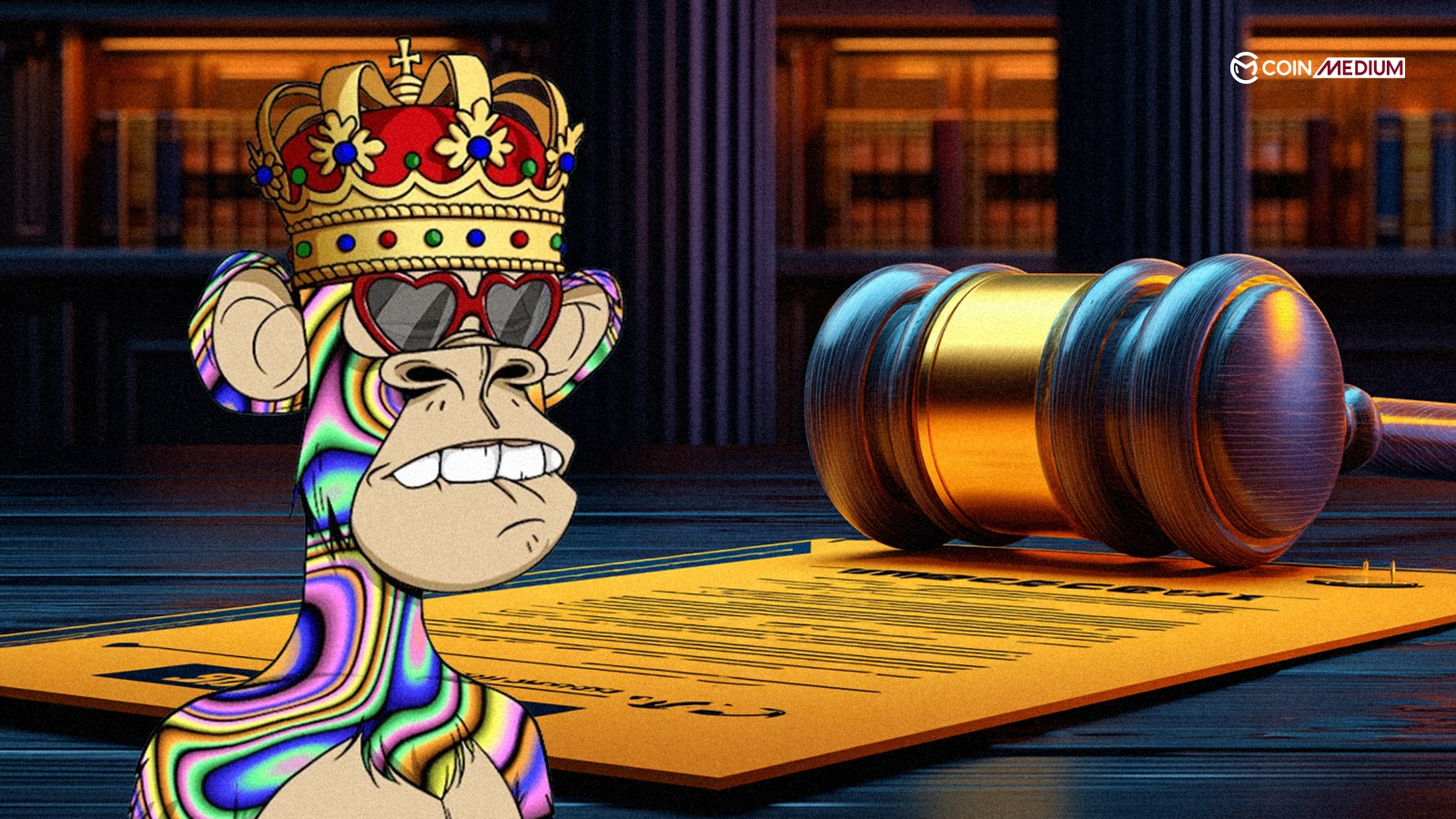



A positive turn of events for the NFT world, Yuga Labs has finally settled its ongoing lawsuit against the conceptual artist Ryder Ripps and his business partner Jeremy Cahen.
This legal conflict arose from their RR/BAYC venture, which was widely considered to be a clone of the popular Bored Ape Yacht Club. This comes as a resolution to an ongoing two-year legal saga that has kept everyone on their toes.
Trademark dispute by Yuga Labs
The dispute was brought up by Yuga Labs, creators of the Bored Ape Yacht Club, back in 2022. As per the claim made by Yuga Labs, the two have violated intellectual property laws by creating and marketing their own NFT collection that looks similar to theirs.
What began as an artist’s disagreement soon turned out to be an intellectual property issue. The defendants positioned their work as satire, but Yuga Labs maintained it amounted to unauthorized profiting from one of the most recognizable brands in the NFT space.
The settlement agreement made in the California federal court in April 8, 2026, prevents what would be an extended period of trial in the future. According to the agreement, permanent orders will bar Ripps and Cahen from making use of Yuga Labs’ trademarks and images in their respective work.
Although it might not be known at this point about the financial terms of the settlement, it is clear that it helps to protect the integrity of NFT creators even more. In fact, the court had ruled in favor of Yuga Labs even prior to the signing of the agreement due to their damage claims.
The settlement is not just a win for Yuga Labs legally but also something that means protecting innovation in the rapidly changing landscape of digital collectibles. In fact, Bored Ape Yacht Club has always been distinguished by its community engagement, unique benefits, and influence well beyond JPEGs.
By protecting the legacy, trust can be built among those individuals who spent time, effort, and their passion for the ecosystem.
Broader questions facing the NFT industry
Some feel the case also addresses questions like, here exactly does fair parody end and infringement begin? Many followed the proceedings closely because the outcome could influence how future projects approach “homage” or commentary-style collections.
With the settlement now in place, Yuga Labs can refocus on building new experiences for its community rather than courtroom battles. Ripps described the agreement as confidential in a brief statement, and representatives declined further comment, which is typical in such resolutions.
Nevertheless, these tokens, accused of copying, become irrelevant, while the Bored Apes brand enjoys better legal protection. The timing of such news is quite intriguing in the context of NFTs, which are becoming more mature.
Whether you’re a longtime Ape holder or simply curious about digital ownership, this settlement feels like a positive step. It reinforces that creativity thrives best when protected.