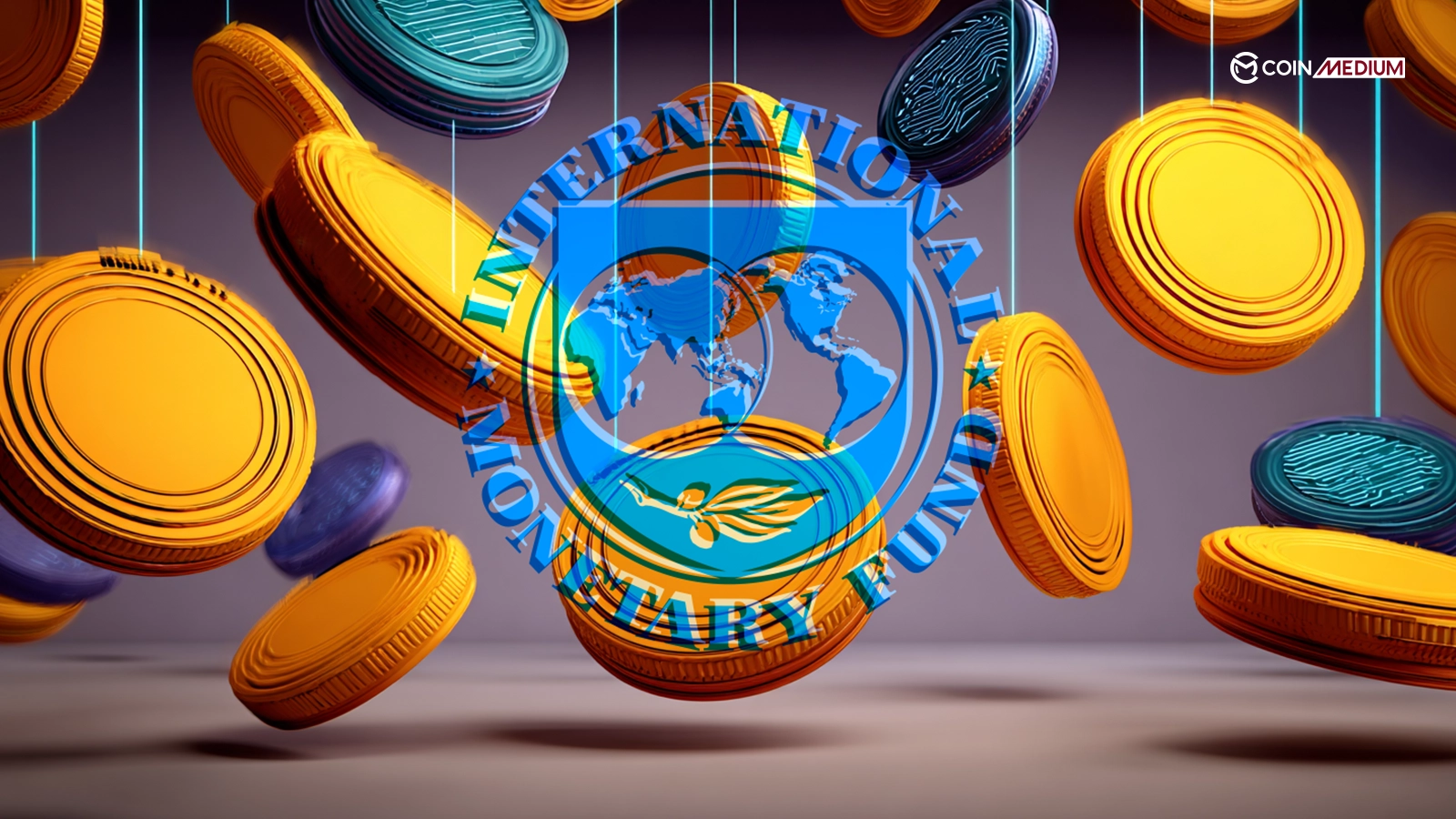



The International Monetary Fund has stated that tokenization technology will enhance financial market operations through better efficiency and greater transparency but it presents new threats which will compromise financial system security.
The IMF report showed that blockchain-based systems must overcome their capacity to decrease specific financial dangers which they introduce through their ability to spread market failures at an increased speed.
The International Monetary Fund (IMF) declared that tokenization will completely change all processes used to issue financial assets and execute trades and complete settlements.
The technology enables quick settlement processes which produce better transparency results that lead to decreased operational challenges and enhanced financial system performance.
The report showed that these particular characteristics of the system created new security weaknesses for the organization.
The IMF reported that automated systems which execute trades in real time create faster market stress events for tokenized markets than they do for conventional market systems.
Rapid growth in tokenized assets
The market for tokenized real-world assets has expanded in recent years.
Data from RWA.xyz shows that more than $27 billion worth of assets, excluding stablecoins, are currently tokenized onchain.
Industry forecasts suggest strong future growth, with estimates ranging from trillions of dollars in potential market size over the coming years.
The IMF said this expansion reflects increasing interest from both crypto-native firms and traditional financial institutions.
The report shows that tokenization creates a new method for distributing financial risks. Risks will no longer stay confined to banks and centralized systems because they will now distribute to shared ledgers and smart contracts and decentralized infrastructure.
The shift will create greater connections between financial systems which will result in increased vulnerability to financial shocks.
The IMF warned that faster settlement speeds would reduce available time for market stress intervention.
Impact on emerging markets
The use of tokenization enables financial institutions to expand their services to underbanked populations and it creates a more efficient international payment system through its ability to cut down operational expenses and processing times. The implementation of this system would result in two negative outcomes because it generates dangerous financial risks through unpredictable capital movements and swift currency exchange and these risks would undermine various countries’ capacity to manage their monetary systems. The financial sector shows increasing interest in digital assets through BlackRock’s research into tokenized funds and digital asset platforms. Securitize operates as a major market participant because it provides businesses with essential systems to create and control their tokenized financial products. The market has seen Tether Gold and Ondo Finance expand their operations to establish a stronger presence. The parent company of the New York Stock Exchange, Intercontinental Exchange, has revealed its plan to create blockchain-based trading and settlement systems.
Legal and regulatory challenges remain
The IMF declared that legal uncertainty continues to serve as a primary impediment despite economic progress which has been achieved.
The adoption of tokenized assets will face limitations until ownership rights and settlement finality and regulatory frameworks receive proper resolution.
The report indicated that without established regulations tokenized markets would develop into disjointed systems which would operate outside mainstream financial markets. The industry participants help create solutions which will resolve existing challenges. The developers created ERC-3643 standards to protect investor access by confirming investor identities through restricted access to approved investors.
The sector shows its development through recent initiatives which include crypto and financial firms launching tokenized investment products to satisfy regulatory standards. The IMF assessment demonstrates a widespread transformation in global financial institutions which now perceive blockchain technology through their current evaluation.
The past few years have witnessed tokenization evolve from an obscure idea into a major area of interest among both private companies and government organizations. The earlier experiments with tokenized bonds and funds showed that faster settlement and lower costs could be achieved which led to further advancements in the field.
The public has learned through financial crises and market disruptions that protective measures and monitoring systems hold essential value. The IMF warning indicates that tokenization possesses the potential to transform financial systems but its sustainable success requires a balance between innovative practices and effective regulatory frameworks together with risk management systems.
The ongoing use of tokenized assets will result in discussions about their implementation within current financial structures because of potential systemic risks which may arise during this process.