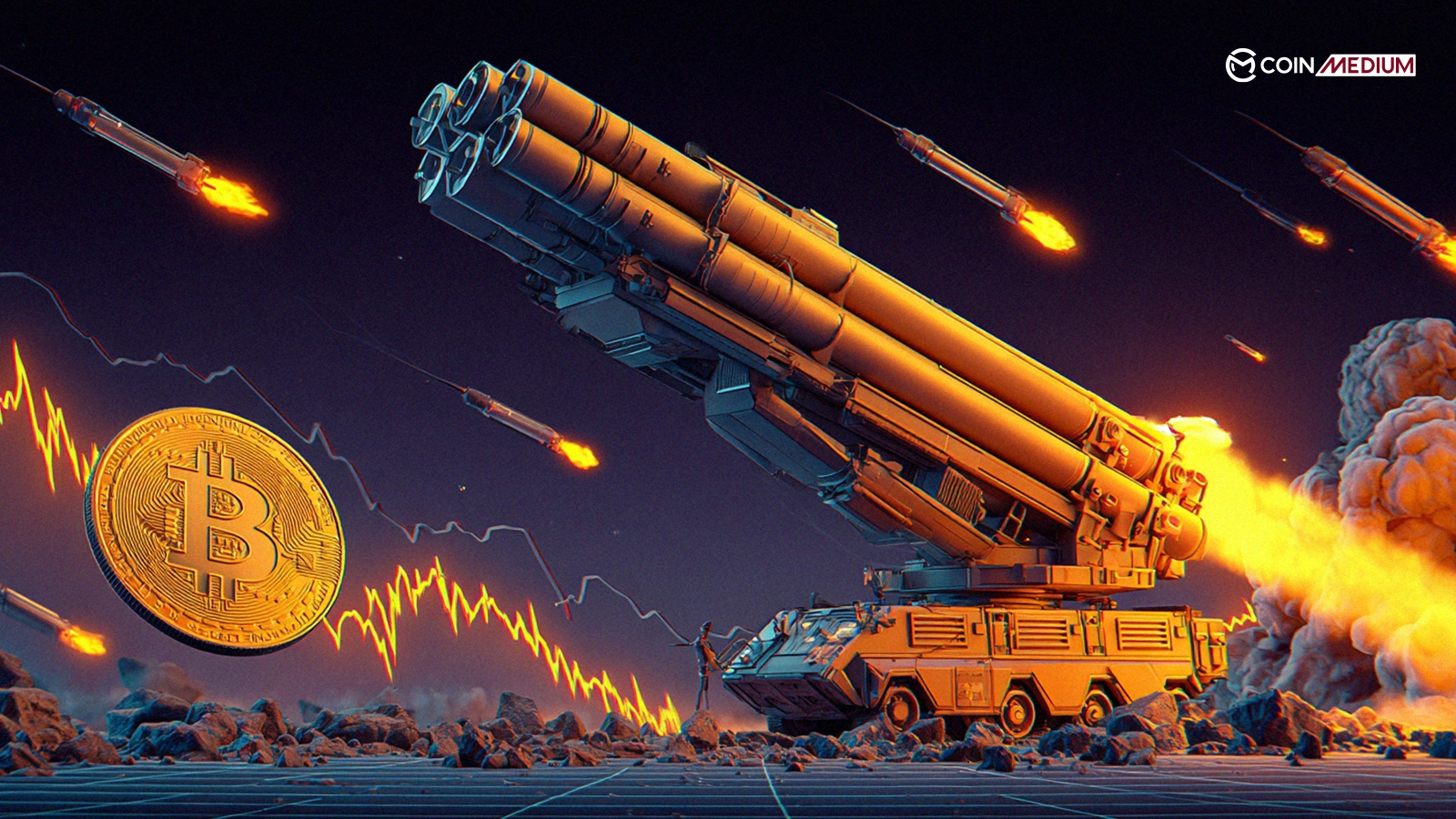



Trading volumes collapsed, and withdrawals froze across Iran’s digital asset exchanges as U.S. and Israeli military strikes sent shockwaves through the country’s cryptocurrency sector. Yet according to blockchain analytics firm TRM Labs, the damage stopped well short of a structural breakdown.
Exchange transaction volumes nosedived nearly 80% between February 27 and March 1, TRM Labs said on Monday. The firm pinned the slump on sweeping internet disruptions that followed the launch of U.S.-Israeli strikes on February 28. Major platforms, including Nobitex, Wallex, and Tabdeal kept their doors open, operating under what TRM called a “risk-managed state,” with withdrawals batched or paused and market depth running thin.
Liquidity Takes a Hit
Iran’s central bank stepped in and ordered a temporary trading halt on the USDT-toman pair—the main corridor between crypto and Iran’s national currency. When markets reopened, sparse order books and brief price swings told the story of a system under pressure.
But not everyone reads the data the same way. Elliptic CEO Tom Robinson said outflows on Nobitex shot up 700% to nearly $3 million after the strikes—a pattern his firm described as potential capital flight. TRM pushed back, arguing that those figures sit within routine operational ranges, and warned against jumping to conclusions.
Despite the political upheaval, Iran’s crypto industry showed resilience, implying that crypto can be a good alternative when traditional systems face disruption.